How to Choose the Right RIC Hearing Aid (Receiver-in-Canal): Simple Guide for Better Clarity
Searching "best RIC hearing aid" can quickly become confusing because every brand claims theirs is best. The real answer is simpler: the right RIC is the one that matches your hearing loss, lifestyle, comfort needs, and budget—plus has good fitting support. This guide helps you choose correctly without overpaying.
What Is a RIC Hearing Aid? (Quick Reminder)
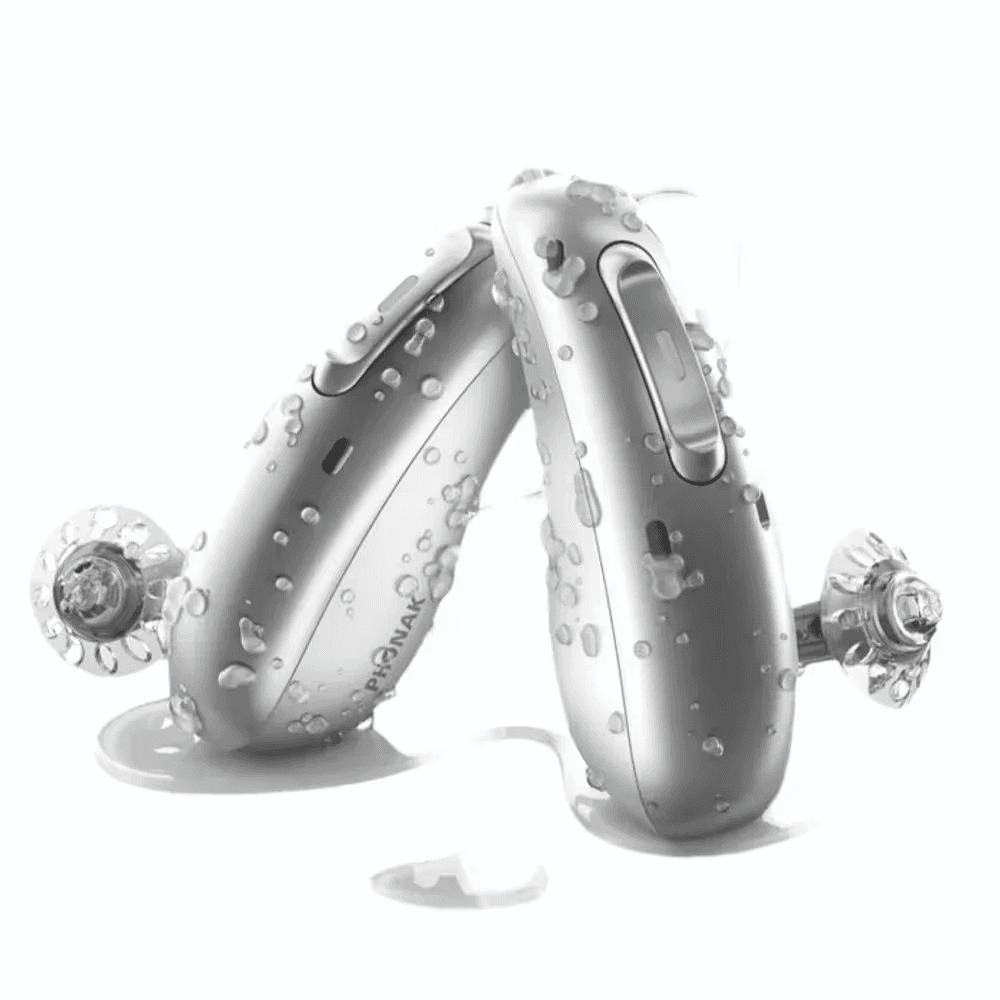
A RIC (Receiver-in-Canal) hearing aid has three main parts:
- Small unit behind the ear – houses the processor and microphone
- Thin wire – connects the unit to the receiver
- Receiver (speaker) in canal – delivers sound directly to your eardrum
RIC is popular because it's comfortable, discreet, and supports modern features like Bluetooth calling, noise reduction, and rechargeable batteries.
Step-by-Step: How to Choose the Right RIC Hearing Aid
Follow these 10 steps to find a RIC hearing aid that truly matches your needs.
Step 1: Start With a Proper Hearing Test (Audiogram)
Don't choose based on friends' suggestions. A proper audiogram shows your exact hearing loss pattern and helps decide receiver strength and dome type.
- Identifies mild/moderate/severe loss
- Shows which frequencies need support
- Determines if you need one or two hearing aids
- Guides receiver strength and dome selection
Step 2: Match the RIC to Your Lifestyle
Your lifestyle—not budget alone—decides the technology level you need.
- Quiet home: basic to mid-range models work well
- Office/meetings: better speech focus and noise reduction needed
- Restaurants/travel: stronger speech-in-noise technology essential
Step 3: Decide: Rechargeable or Battery RIC?
Both options work well—choose based on your daily habits.
- Rechargeable: easy routine, Bluetooth calls, modern convenience
- Battery: frequent travel, quick swapping, lower initial cost
Step 4: Choose Bluetooth Based on Real Use
Many buy Bluetooth without needing it. Choose only if you truly use it.
- Frequent phone calls
- Online meetings and streaming
- Music and video streaming
- Want app control for volume
Step 5: Understand Receiver Strength (Critical for RIC)
Receiver power must match your hearing loss exactly.
- Too weak = poor clarity, constant volume increase
- Too strong = discomfort, feedback, sharp sound
- Correct power ensures amazing clarity and comfort
Step 6: Pick the Right Dome or Custom Mold
Small domes make big differences in sound quality and comfort.
- Open dome: best for mild loss, natural feel, less blocked sensation
- Closed dome: better for more loss, stronger support, feedback control
- Custom mold: moderate to severe loss, stability, better sealing
Step 7: Check Comfort and Fit
You'll wear it for hours—comfort is critical.
- Should not cause pain, soreness, or pressure
- Solution: change dome size/type, adjust placement, or use custom mold
- Poor comfort leads to abandonment—even with good technology
Step 8: Don't Ignore Earwax & Moisture
RIC needs basic care because receiver sits in canal.
- Heavy earwax: ask for wax guard guidance
- Regular cleaning: periodic professional cleanings
- Drying kit: helpful in humid climates
Step 9: Always Take a Trial Before Final Purchase
Test in real-life environments, not just quiet clinic rooms.
- Home conversations and TV clarity
- Phone calls and outdoor traffic
- Restaurant noise and meetings
- Real-world performance before committing
Step 10: Choose Service & Fine-Tuning Support
Same RIC can feel average or excellent—fitting quality matters most.
- Confirm fine-tuning sessions included
- Follow-up support duration
- Warranty and service process clarity
- Wax guard and receiver replacement policy
Quick Checklist: How to Choose the Best RIC for You
Before buying, make sure you've covered all these points:
- Audiogram done and explained clearly
- Lifestyle matched (quiet vs noisy vs office)
- Rechargeable or battery decided
- Bluetooth chosen only if truly needed
- Receiver power matched correctly
- Dome/mold chosen correctly
- Comfort checked properly
- Trial done in real environments
- Fine-tuning and follow-ups included
Need Expert Help?
Get Personalized Guidance
Not sure which RIC hearing aid is right for you? Our audiologists will match you to the perfect model based on your hearing test and lifestyle.
- Free hearing test
- Real-ear measurement fitting
- Trial with 2–3 RIC options
- Fine-tuning and follow-ups
Ready to Find Your Perfect RIC Hearing Aid?
Don't guess. Don't overpay. Work with our RCI-certified audiologists to choose a RIC hearing aid that matches your hearing loss, lifestyle, and budget—with guaranteed fine-tuning and support.
Frequently Asked Questions
Find answers to common questions about our hearing aids, process, and support
Still have questions?
Contact Our Specialists