RIC Hearing Aid Pros and Cons: Benefits & Limitations of Receiver-in-Canal (RIC)
Explore the benefits and limitations of RIC (Receiver-in-Canal) hearing aids—comfort, sound clarity, Bluetooth, open fit, and the real downsides like moisture/wax issues. Simple guide + FAQs.

Benefits & Limitations of RIC Hearing Aids (Pros and Cons)
RIC hearing aids are everywhere—and for good reason. A RIC (Receiver-in-Canal) hearing aid gives a nice balance of comfort, clear sound, and modern features without looking bulky.
But like any hearing aid type, RIC has its weak points too—especially around earwax, moisture, and receiver maintenance.
If you’re deciding whether RIC is right for you, this guide will make it simple.
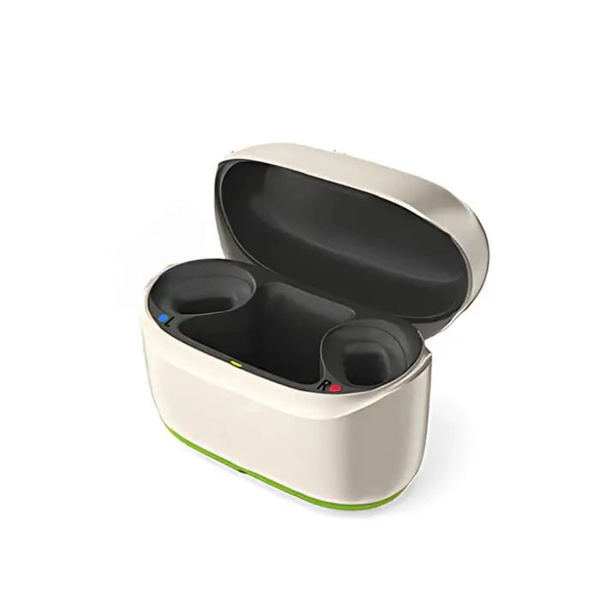

Phonak Audéo Infinio 90 R
₹245,000
Phonak Audéo Infinio 90 R is the most advanced model
Quick Reminder: What a RIC Hearing Aid Is
A RIC hearing aid has:
- a small body behind the ear
- a thin wire
- a tiny receiver (speaker) sitting inside the ear canal
Because the speaker is inside the canal, RIC often sounds more direct and natural, especially when fitted as an open-fit RIC.
The Biggest Benefits of RIC Hearing Aids
1) Comfortable for Long Wear
RIC models are usually lightweight and sit gently behind the ear. The part inside the ear is typically a soft dome (or custom mold if needed).
That’s why many people can wear RIC hearing aids all day with less fatigue.
Best for: office users, seniors, daily long wear.
2) Discreet Look (Not “Big Hearing Aid” Vibe)
RIC hearing aids look clean and modern:
- small behind-the-ear shell
- nearly invisible thin wire
- small dome inside the canal
Many users like that it doesn’t scream “medical device.”
3) Natural Sound Feel (Especially With Open Fit)
One common complaint with some hearing aids is the “blocked ear” feeling or hearing your own voice too loudly.
With open-fit RIC (when suitable), your ear canal isn’t fully sealed, so:
- your voice feels more natural
- you feel less “plugged”
- airflow stays better
This is a major reason RIC is often recommended for mild to moderate hearing loss, especially high-frequency loss.
4) Clear Speech for Daily Conversation
RIC hearing aids are strong in speech clarity because most models include:
- directional microphones (focus on speech)
- noise reduction
- feedback control (less whistling)
- automatic environment adjustment (quiet vs noise)
If your main problem is:
“I can hear but I can’t understand words clearly”
RIC is often a great match.
5) Bluetooth + App Control Is Common in RIC
Most brands offer their best tech in RIC first:
- Bluetooth calling
- music/TV streaming (model dependent)
- smartphone app control (volume, programs, battery)
- remote fine-tuning options (in some brands/clinics)
If you want a hearing aid that fits modern lifestyle needs, RIC usually ticks the box.
6) Good Range for Mild to Severe Hearing Loss
RIC is flexible:
- open domes for mild loss
- closed domes / power domes for more loss
- custom earmolds for stronger fitting
With the right receiver strength + fitting, RIC can handle a wide range of hearing losses.
7) Less Feedback for Many Users (When Fitted Correctly)
Because the microphone is behind the ear and the receiver is inside the canal, RIC designs can help reduce feedback issues—especially when:
- dome size is correct
- wax guards are clean
- programming is done properly
Limitations of RIC Hearing Aids (Real Cons You Should Know)
1) Receiver Can Be Affected by Earwax and Moisture
This is the most common RIC limitation.
Since the receiver sits inside the ear canal, it’s more exposed to:
- earwax buildup
- sweat and humidity
- natural moisture in the ear
What you may notice: low sound, muffled sound, or sudden drop in clarity.
How to manage it:
- change wax guard regularly
- keep domes clean
- use a drying kit/dehumidifier if you sweat a lot
- regular servicing helps a lot
2) Receiver Replacement May Be Needed Over Time
RIC receivers are replaceable (which is good), but it also means:
- the receiver may fail sooner than a fully sealed design
- heavy wax/moisture users might need receiver changes more often
Not a deal-breaker—just something to know before buying.
3) Not Always Best for Profound Hearing Loss
For very severe to profound hearing loss, many people do better with:
- power BTE hearing aids
- stronger earmolds and more stable output
Some RIC models can handle severe loss, but if you need maximum power, power BTE is often safer.
4) Can Be Easier to Misplace
RIC is comfortable and lightweight—so comfortable that some users don’t feel it much.
That can make it easier to:
- forget where you kept it
- misplace it during removal
- drop it while cleaning
A simple habit helps: always keep it in the same case/charging station.
5) Needs Basic Maintenance (Not “Zero Effort”)
RIC isn’t high maintenance, but it’s not “set and forget” either.
If you want strong performance, you’ll need:
- basic cleaning
- wax guard changes
- periodic checkups
If you hate maintenance completely, discuss alternatives.
Who Benefits Most From RIC Hearing Aids?
RIC is usually best for:
- mild to moderate hearing loss (very common)
- people who want comfort + discreet design
- users who need Bluetooth / calls / meetings
- those who dislike the “blocked ear” feeling
- first-time hearing aid users who want an easier start
When Another Type Might Be Better Than RIC
You may want to consider other styles if you have:
- profound hearing loss (power BTE may be better)
- frequent ear infections or heavy discharge
- extremely narrow canals (fit issues)
- very heavy wax problems (unless managed well)
- work conditions with extreme dust + sweat daily (still possible, but needs more care)
Tips to Get the Best Results From a RIC Hearing Aid
A RIC hearing aid performs best when these are right:
- Correct receiver strength (not too weak, not too strong)
- Correct dome/mold (open vs closed vs mold changes sound a lot)
- Accurate programming based on audiogram
- Follow-up fine tuning after real-life use
- Regular cleaning + wax guard routine
This is the difference between “it’s okay” and “this is actually life-changing.”
FAQs: Benefits & Limitations of RIC Hearing Aids
Are RIC hearing aids good for first-time users?
Yes. Many first-time users prefer RIC because it’s comfortable, discreet, and feels more natural—especially with open-fit domes.
Do RIC hearing aids work in noisy places?
They usually perform well, especially mid-to-premium tech, because they focus on speech and reduce background noise. Fine tuning matters a lot.
What is the biggest disadvantage of RIC hearing aids?
Receiver exposure to earwax and moisture—which can cause blocked sound or receiver issues over time.
Are RIC hearing aids better than BTE?
For many mild to severe users, yes—because they’re smaller and feel more natural. For profound loss, power BTE may be better.
Do RIC hearing aids need a lot of maintenance?
Not a lot, but they need basic care—wax guards, dome cleaning, and periodic servicing.
CTA
Not sure if RIC hearing aids are right for your hearing loss and lifestyle?
Book a hearing test + free hearing aid trial. We’ll check your audiogram, fit the right dome/receiver strength, and fine tune it so you get real speech clarity—not just louder sound.
About the Author

Dr. Sudheer Pandey
Senior Audiologist
Dr. Sudheer Pandey is a certified audiologist with extensive experience in diagnosing and managing hearing and balance disorders. He specializes in evidence-based hearing assessments and…
Tags
Talk To Our Audiologist
Leave your details and our audiologist will call you back.